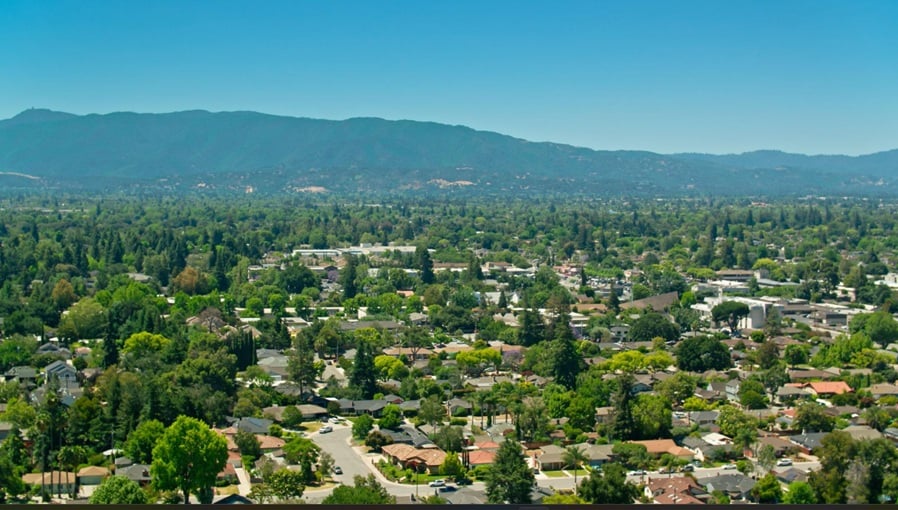
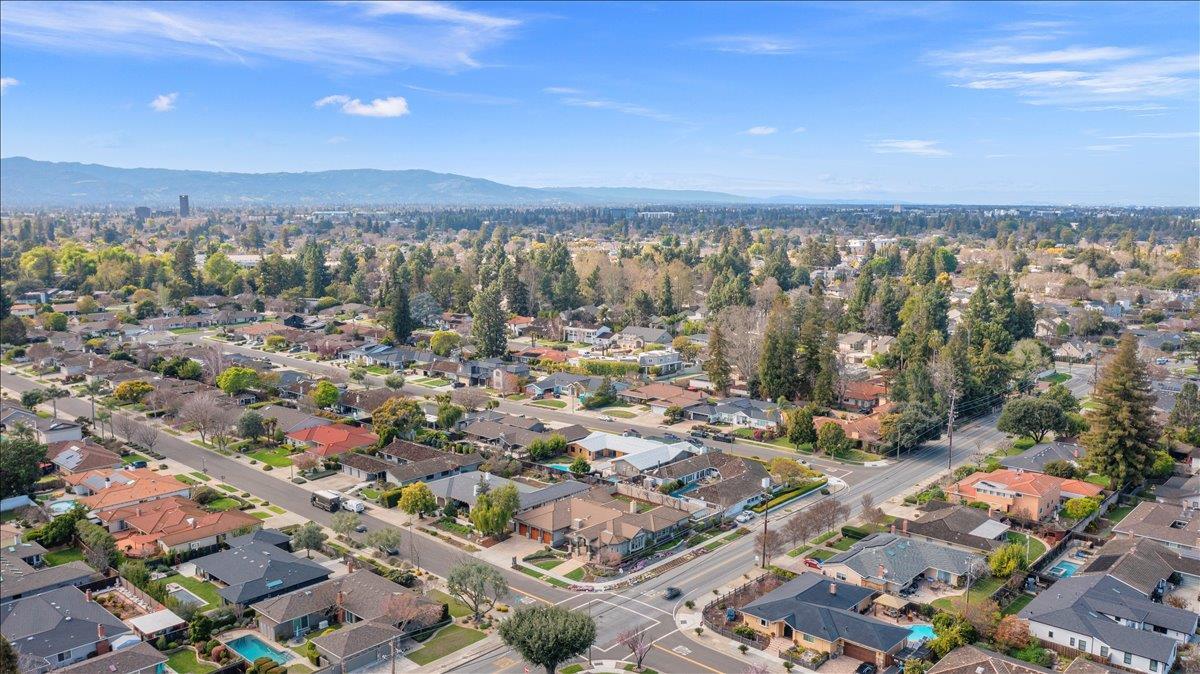
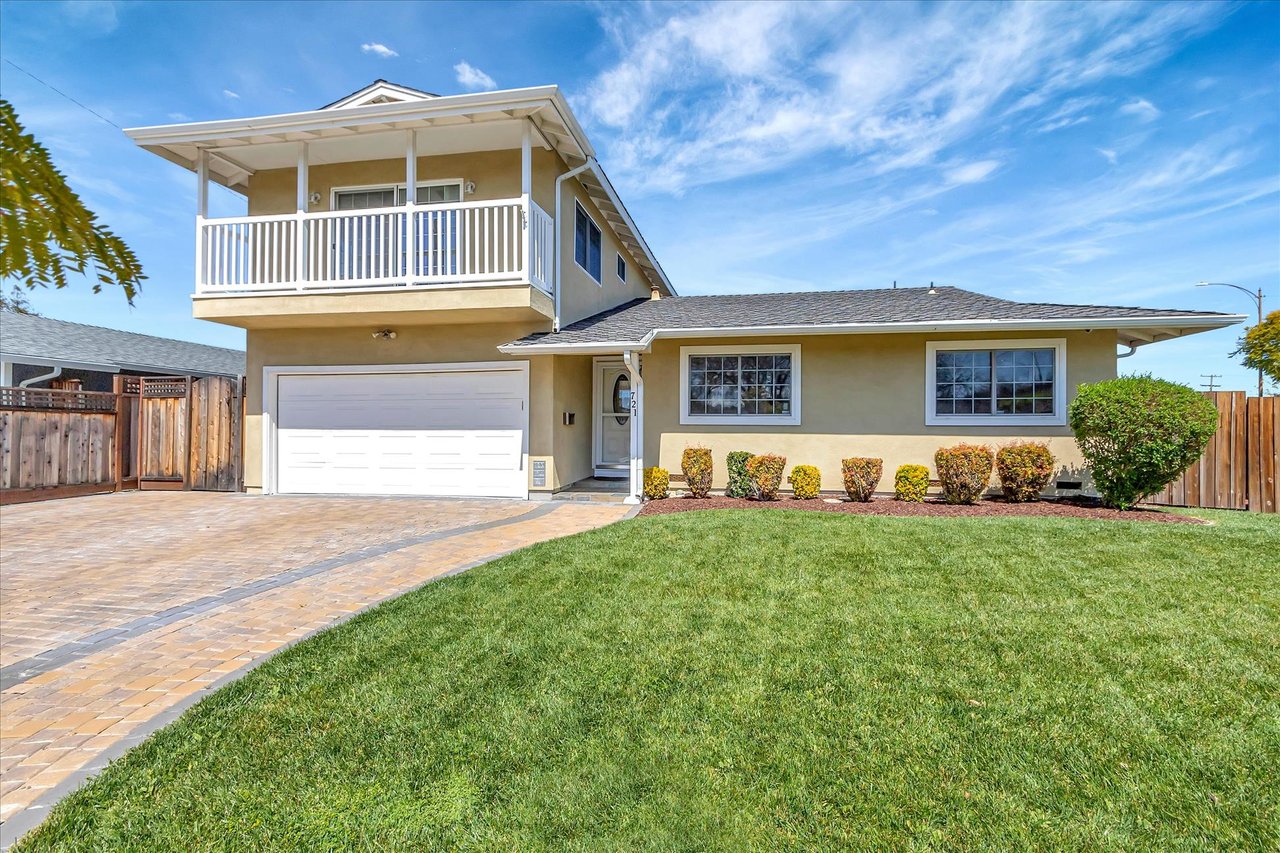
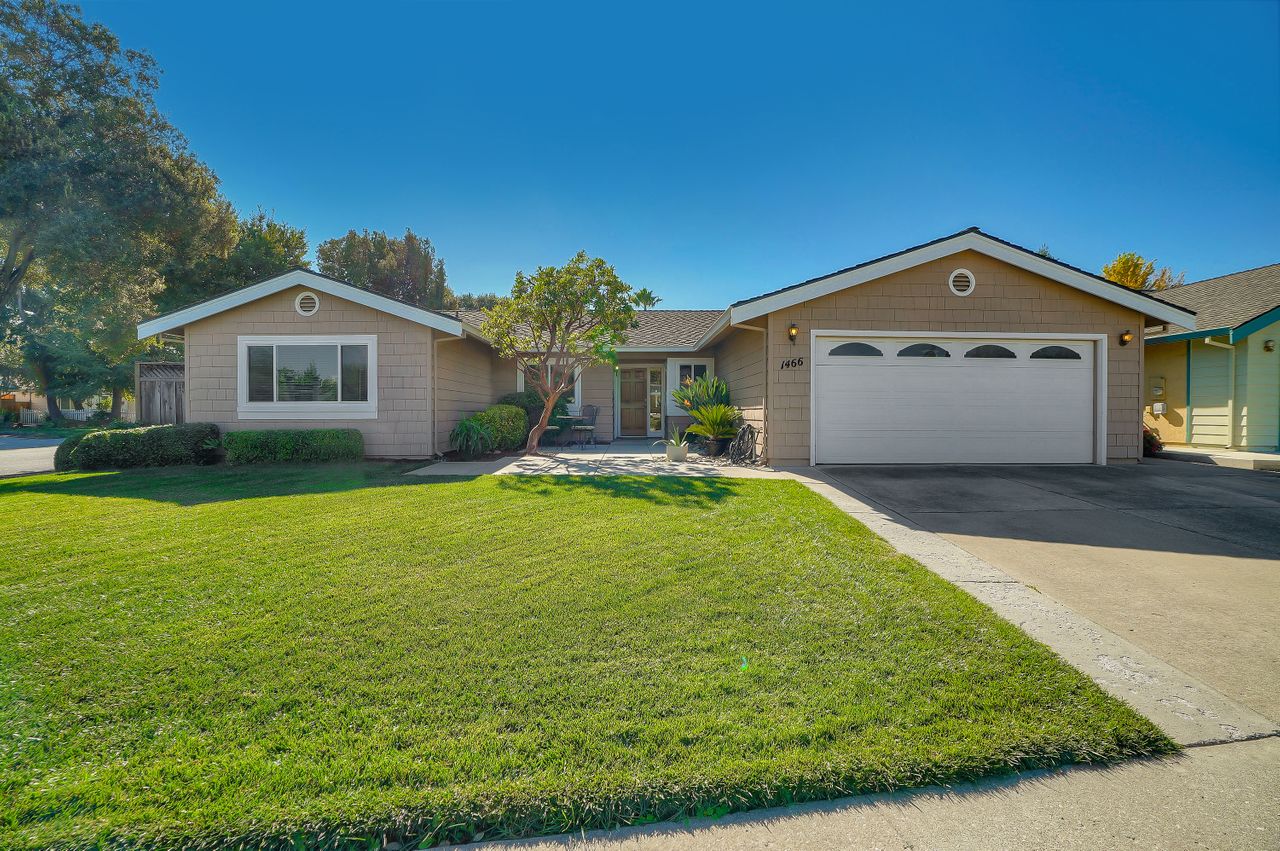
Santa Clara County is still a high-demand, low-supply, seller-skewed market in early 2026—but it’s finally rebalancing enough that prepared buyers and strategic sellers can both win.
3 Key Takeaways About Today’s Silicon Valley Market
1. Prices Are High, But Growth Is Now Moderate
Santa Clara County single-family homes are still among the most expensive in the country, with a median sale price around ∼$2.1M. Year-over-year appreciation is positive but modest (roughly in the 0.5–1% range), a big shift from the double‑digit spikes of the pandemic years. That means the market is pricey but not “runaway,” giving buyers a bit more breathing room and sellers slightly more predictable outcomes.
2. Low Inventory Keeps It a Seller’s Market
Local data shows Santa Clara County has roughly 1–1.1 months of inventory, well below the 4–6 months that would indicate balance which keeps leverage tilted toward sellers. Median days on market for houses sits around 8–12 days, meaning well‑priced homes can still go pending in about a week to a week and a half. This combination of scarce supply and fast absorption continues to support strong prices and multiple‑offer situations, especially for move‑in‑ready homes in desirable school districts.
3. The Market Is Rebalancing: More Listings, More Negotiation
Realtors across Santa Clara County report that more would‑be sellers are finally coming off the sidelines in 2026, adding fresh inventory after several years of “rate lock.” At the same time, a brief dip in mortgage rates below 6% has pulled more buyers back into the hunt, creating a more active but less frenzied environment where deals are actually getting done. The result is a market that’s still competitive but more nuanced—buyers have more choice, and sellers still have leverage, but both sides need to be strategic to achieve their goals.
3 Strategies for Buyers in Today’s Market
Buyer Strategy 1: Know Your Micro‑Market and Aim for “Fair,” Not “Cheap”
Conditions vary city by city and even neighborhood by neighborhood within Santa Clara County, so you want to think in terms of micro‑markets like Los Gatos, Morgan Hill, or Sunnyvale rather than “the county” in the abstract. In ultra‑competitive pockets with top schools, expect near‑asking or over‑asking offers on turnkey homes; in less central or slightly dated properties, you may have more room to negotiate on price or credits.
Practical ways to execute this:
-
Track recent closed sales for the exact home type you want (3‑bed SFR vs condo, etc.) within a 0.5–1 mile radius over the last 60–90 days.
-
Focus offers around fair market value, backed by recent comps, rather than holding out for an outlier “deal” that may never come in a low‑inventory environment.
Buyer Strategy 2: Get Fully Underwritten and Move Decisively
With median days on market around 8 days and many attractive listings gone in under two weeks, speed and certainty matter as much as price. Local agents report that buyers who show strong financing—full underwriter approval rather than just a basic pre‑qual—often win even when they’re not the absolute highest bid, because sellers value a sure close.
To position yourself:
-
Secure full underwriting, not just pre‑approval, before you start touring; this tightens contingencies and timelines.
-
Have your agent ready to write quickly after a promising open house, including signing disclosures and pre‑reviewing inspections when available.
-
Consider tightening, but not recklessly waiving, contingencies where your risk tolerance and due diligence support it.
Buyer Strategy 3: Use Rate and Timing to Your Advantage
Mortgage rates have been volatile, but recent dips below 6% triggered a noticeable uptick in buyer activity, suggesting that many shoppers are rate‑sensitive. In a market where prices are holding but not surging, the financing environment can matter as much as the list price for your monthly payment and long‑term affordability.
Tactical options:
-
Watch for short‑term rate dips and be ready to lock when they appear, especially if you’re near offer‑time.
-
Explore buy‑down options or seller credits in situations where a home sits slightly longer than the median; some sellers may prefer offering a credit over dropping list price.
-
If you’re flexible, look at shoulder seasons (late summer, late fall) when competition can ease slightly, even in a tight‑inventory county.
3 Strategies for Sellers in Today’s Market

Seller Strategy 1: Price for Today, Not Yesterday’s Peak
While prices remain high, the pace of appreciation has cooled, and buyers are more discerning than during the peak pandemic frenzy. Overpricing can cause your home to linger past that crucial first 10–14 days—dangerous in a market where the median days on market is under two weeks—while sharp, realistic pricing often attracts multiple offers and stronger terms.
Actionable steps:
-
Have your agent pull hyper‑local comps no older than 90 days, prioritizing closed sales, not just active listings.
-
Price slightly within the fair value range to create urgency and invite competition rather than “testing high” and chasing the market down.
-
Be prepared to adjust quickly if you miss the mark in the first 2 weeks.
Seller Strategy 2: Win the Beauty Contest: Preparation Still Pays
Even in a low‑inventory, seller‑tilted market, buyers are quick to compete for homes that feel move‑in‑ready and emotionally compelling. With more listings coming on this year, presentation is how you stand out from other homes at the same price point.
High‑impact moves:
-
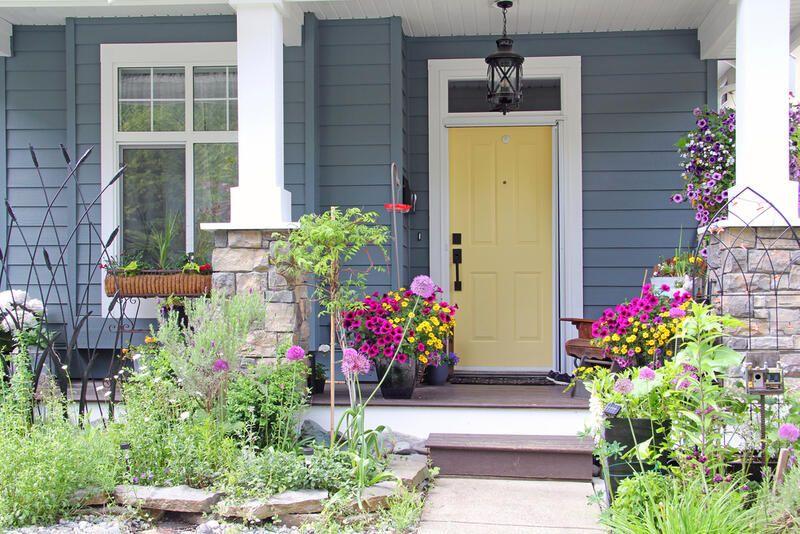
Focus on first‑impression items: landscaping refresh, exterior paint touch‑ups, deep cleaning, and decluttering.
-
Targeted updates—new fixtures, fresh interior paint, and minor kitchen or bath refreshes—often yield strong returns in a market where price per square foot is over $1,100 median.
-
Professional staging and high‑end photography are still important in Santa Clara County’s image‑driven, tech‑savvy buyer pool.
Seller Strategy 3: Leverage Your Position, But Stay Flexible
Sellers still have leverage due to low months of inventory, but buyers today are more rate‑ and value‑sensitive than they were a couple of years ago. Deals that close smoothly often involve give‑and‑take on non‑price terms such as rent‑backs, minor repairs, or closing costs rather than big price swings.
Ways to use this to your advantage:
-
Prioritize your top 2–3 goals (e.g., highest price, specific closing date, rent‑back period) and negotiate around those rather than holding firm on every term.
-
Consider offering a modest credit in lieu of repairs if inspections reveal issues; this can keep buyers engaged and the escrow on track.
-
If you’re buying and selling in Santa Clara County, structure your plan so you list into strong seasonal demand (spring or early fall) while shopping in slightly less competitive windows if possible.
Quick Snapshot: Where Buyers and Sellers Stand
In this 2026 environment, Santa Clara County real estate rewards clarity: buyers who define what “fair value” and “comfortable payment” really mean for them, and sellers who align price, preparation, and timing with on‑the‑ground data rather than old headlines.
If you’re thinking about selling or buying a home in the San Jose or greater Bay Area, I’d love to help you navigate the process with confidence and clarity.
Written by Omar Ruano, Realtor®
Your trusted advisor in Real Estate.
📞 408-741-9297 | [email protected] | www.RuanoRealEstate.com