🏡 10 Deadly Mistakes Buyers Make When Buying a Home
Buying a home is one of the most exciting — and important — decisions you’ll ever make. But even the savviest buyers can fall into costly traps that lead to stress, delays, or financial surprises.
As a Realtor who’s helped many families navigate this process, I know that knowledge is power. Understanding these common mistakes can save you time, money, and frustration — and help ensure your home purchase is a rewarding experience from start to finish.
Here are the 10 Deadly Mistakes Buyers Make When Buying a Home — and how to avoid them.
1. Choosing a Real Estate Agent Who Isn’t Fully Committed
Here’s how to avoid it: Making a connection with the right real estate agent is crucial. Choose a professional who is dedicated to serving your needs—before, during, and after the sale.
2. Making an Offer Without Being Pre-Qualified
Here’s how to avoid it: Pre-qualification will make your life easier—take the time to talk with bank or mortgage representatives. Their specific questions regarding income, debt, and other factors will help you determine the price range that you can afford. It is one of the most important steps on the path to home ownership.
3. Not Knowing the Total Costs Involved
Here’s how to avoid it: Early in the buying process, ask your real estate agent or mortgage representative for an estimate of closing costs. Title insurance and lawyer fees should be considered. Pre-pay responsibilities such as homeowner’s association fees and insurance must also be taken into account. Remember to examine your settlement statement prior to closing.
4. Limiting Your Search to Open Houses or Online Listings
Here’s how to avoid it: Many homes listed in magazines or on the Internet have already been sold. Your best course of action is to contact a real estate agent. They have up-to-date information that is unavailable to the general public and are your best resource to help you find the home you want.
5. Believing There’s Only One Perfect Home
Here’s how to avoid it: Buying a home is a process of elimination, not selection. New properties arrive on the market daily, so be open to all possibilities. Ask your real estate agent for a comparative market analysis. This compares similar homes that have recently sold or are still for sale.
6. Not Considering Long-Term Needs
Here’s how to avoid it: It is important to think ahead. Will your home suit your needs 3–5 years from now? How about in 5–10 years?
7. Skipping Due Diligence
Here’s how to avoid it: Make a list of any concerns you have relating to issues such as crime rates, schools, power lines, neighbors, or environmental conditions. Ask the important questions before you make an offer on a home. Be diligent so that you can have confidence in your purchase.
8. Skipping the Home Inspection
Here’s how to avoid it: Trying to save money today can end up costing you tomorrow. A qualified home inspector will detect issues that many buyers can overlook.
9. Overlooking Insurance Needs
Here’s how to avoid it: Purchase adequate insurance. Advice from an insurance agent can provide you with answers to any concerns you may have.
10. Ignoring the Benefits of a Home Protection Plan
Here’s how to avoid it: This is essentially a mini insurance policy that usually lasts one year from the date of sale. It usually covers basic repairs you may encounter and can be purchased for a nominal fee. Talk to your agent to help you find the protection plan you need.
📝 Tips for Making the Selection Process Easier
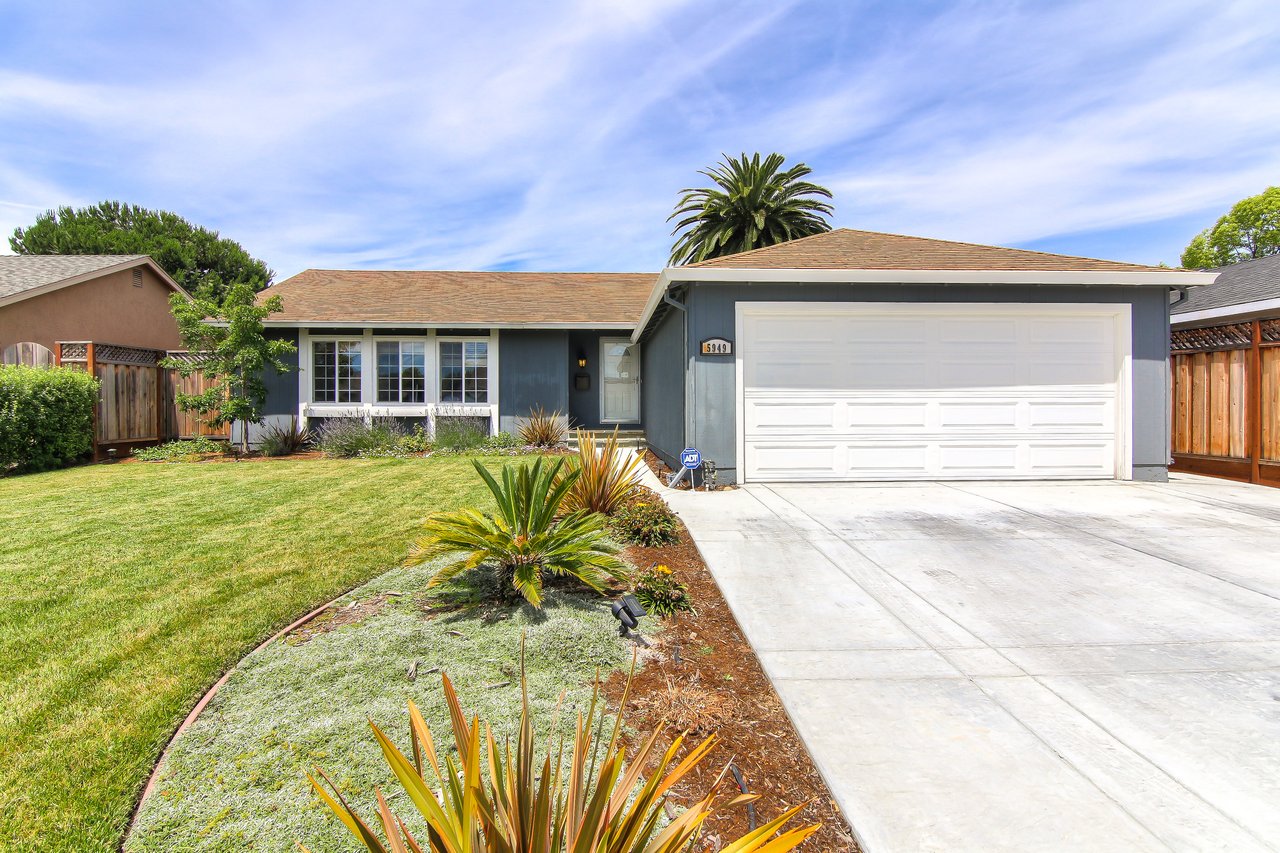
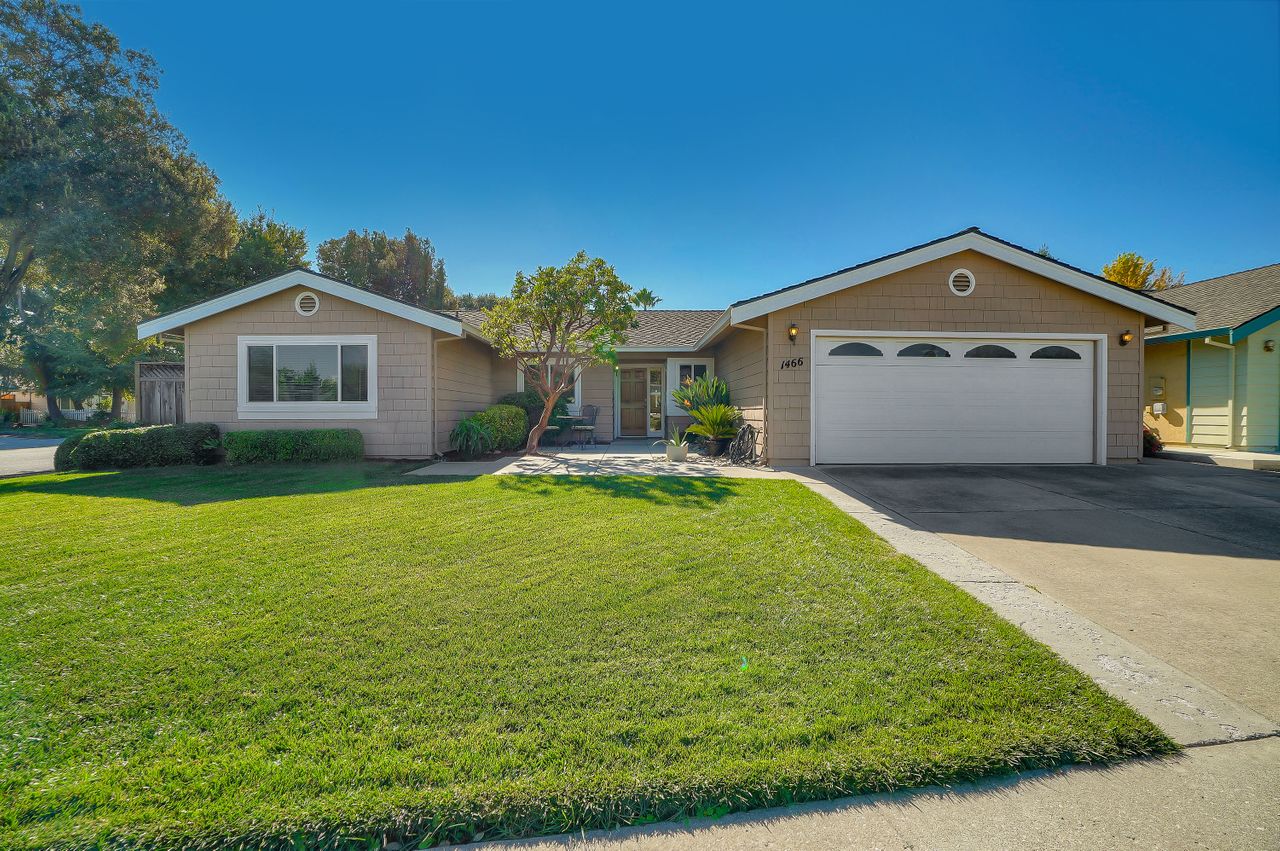
- Bring a camera to document each home that you visit. Start each tour with a shot of the address plaque so you can easily identify each home later.
- Take notes during each home visit. Record notable features, design elements, and first impressions.
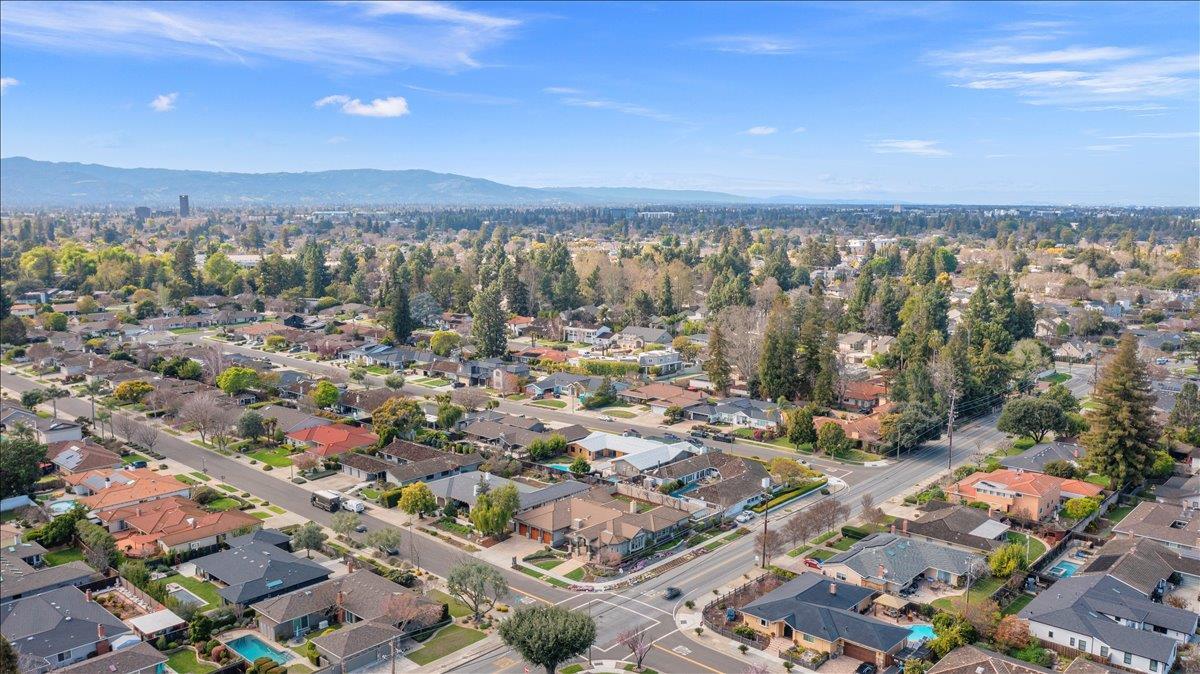
- Pay attention to the home’s surroundings. Generally, avoid the most upgraded home on the block. Consider the neighborhood, parking,
- walkability, and school district quality.
- Finally, revisit homes you’re interested in at different times of day — you might notice things you missed before.