For a typical, well‑prepared home in San Jose, you should expect roughly 45–75 days from going live on the market to money in your bank account, with big differences depending on your price, condition, and neighborhood.
The big picture: what the numbers say
Recent data for early 2026 shows a median sale time of about 24 days for San Jose homes that actually close, while active listings are sitting closer to the mid‑30‑day range before going pending. Put together with a typical 30–45‑day escrow, most sellers are looking at about 45–75 days from “For Sale” sign to closing if the home is priced right and marketed well.
That’s the median, not the promise. Many “A‑grade” listings (good location, clean, well‑priced) are going pending in 9–19 days, while “B/C‑grade” homes (busy street, obvious issues, or overpricing) can sit far longer and only move after a noticeable price cut. So the key question becomes less “What is the average?” and more “Which bucket is my house likely to fall into?”
Why some homes sell in 2 weeks and others in 2+ months
In today’s San Jose market, you can think of two markets running at once:
-
Fast lane (A‑homes):
These are well‑priced, well‑presented properties in high‑demand areas with no glaring functional flaws.-
Examples: a nicely updated single‑family in Willow Glen, Cambrian, or strong pockets of Evergreen.
-
Typical pattern: multiple strong showings the first two weekends, offers within 7–21 days, escrow 30–35 days, total 40–60 days end‑to‑end.
-
-
Slow lane (B/C‑homes):
These have one or more strikes: poor layout, deferred maintenance, backing a major road, or pricing anchored to 2022 peak comps instead of the last 90 days.-
Typical pattern: light activity early, then weeks of “market feedback,” followed by a price reduction and eventual sale; 60–90+ days from list to close is common.
-
Your actual timeline will be driven by which lane you’re in—and that is largely within your control via pricing and prep.
Neighborhood and price band matter
San Jose is extremely segmented. Recent stats show:
-
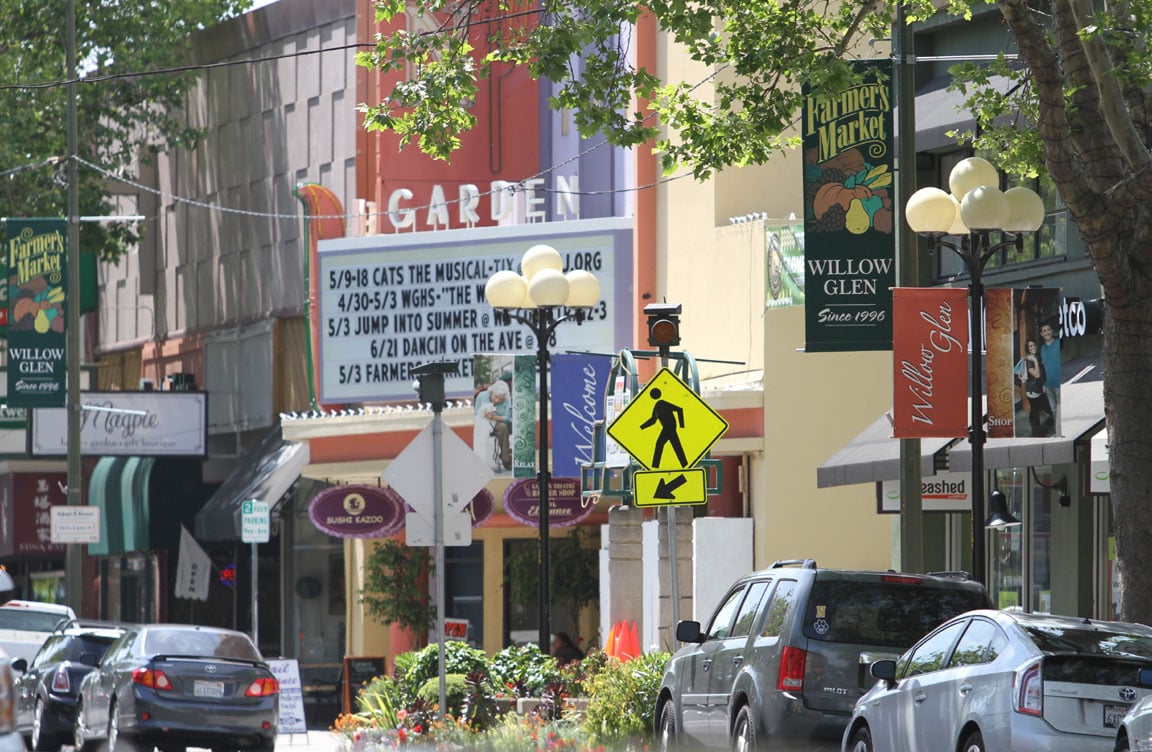
Premium, in‑demand areas like parts of Willow Glen, Cambrian, and West San Jose often see median days on market in the low‑teens, with hot homes going pending in under 10 days.
-
Mid‑tier or more price‑sensitive areas—many parts of Evergreen, Berryessa, Central San Jose, and Downtown—often run in the mid‑20s to mid‑30s for days on market.
Higher‑price homes (> roughly the top 10–15% of the market) and very unique properties typically take longer, simply because there are fewer qualified buyers at those levels. Entry‑level and well‑priced move‑up homes in solid school areas tend to move fastest.
What buyers are doing differently in 2026
Understanding buyer behavior helps you predict your timeline. Recent 2026 analyses show that buyers in the current San Jose market are:
-
Watching days on market as a negotiation signal – they may let the first weekend pass and circle back if they sense weak competition.
-
Targeting price‑drop listings on purpose – with roughly one in five homes seeing reductions in recent months, they treat those as “negotiation opportunities.”
-
Competing on certainty (clean financing, fewer surprises) more than on wild over‑ask prices – especially with rates still in the 6% range and more deals canceling nationwide.
Homes that attract strong early attention and have clear disclosures often get through this gauntlet quickly. Homes that feel risky or overpriced are the ones that sit.
What you can control to speed up your sale
If you want to be closer to the 45‑day end of the range rather than 75+ days, focus on three levers.
1. Pricing to today, not to nostalgia
The latest San Jose numbers show average values down a few percent year‑over‑year and roughly flat to gently rising in forecasts for 2026. Pricing off last year’s peak or off your neighbor’s best‑ever sale can push you straight into the slow lane.
Instead:
-
Use the last 60–90 days of closed sales within about a half‑mile, similar size and condition, same school zone.
-
Study active and pending listings too; those are your real‑time competition and proof of where buyers are actually writing offers.
A list price set just below the heart of that data range usually creates more showings and offers in week one, shortening your timeline and often protecting your final sale price.
2. Making your home an “easy yes”
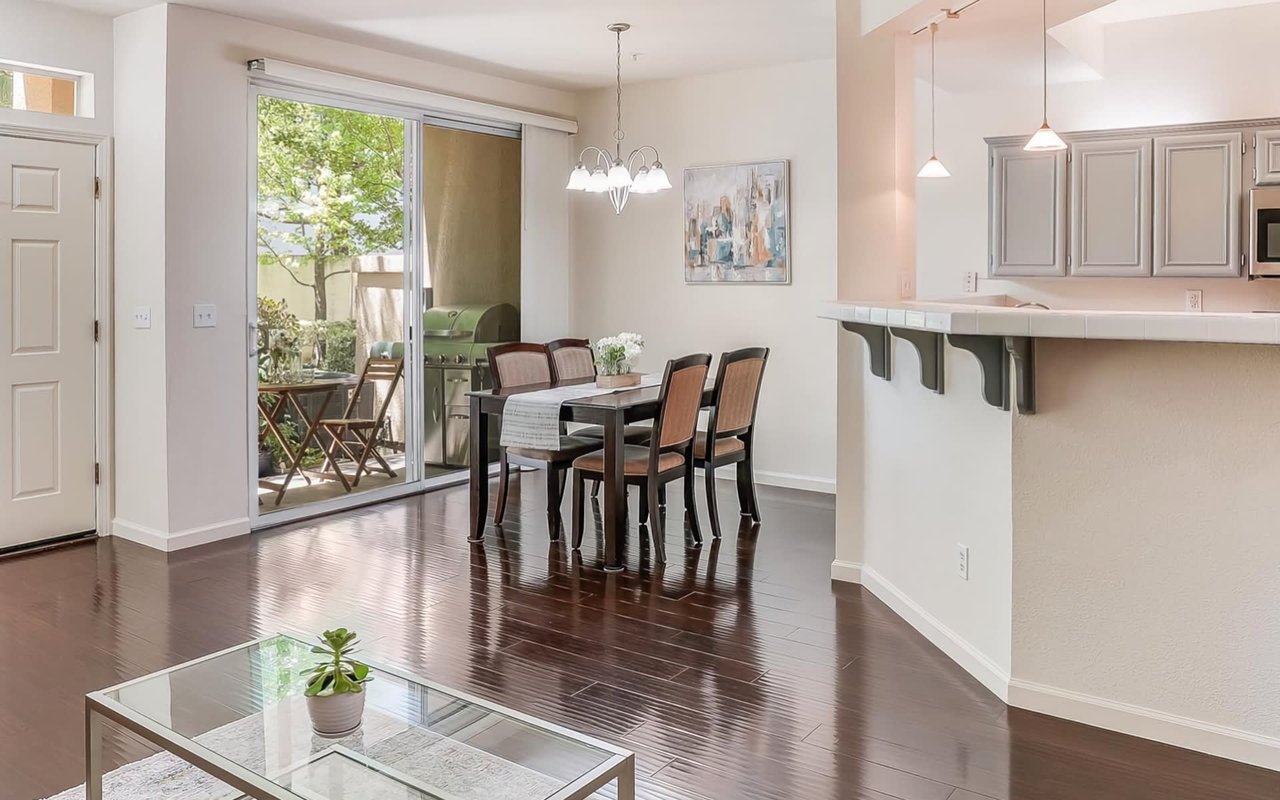
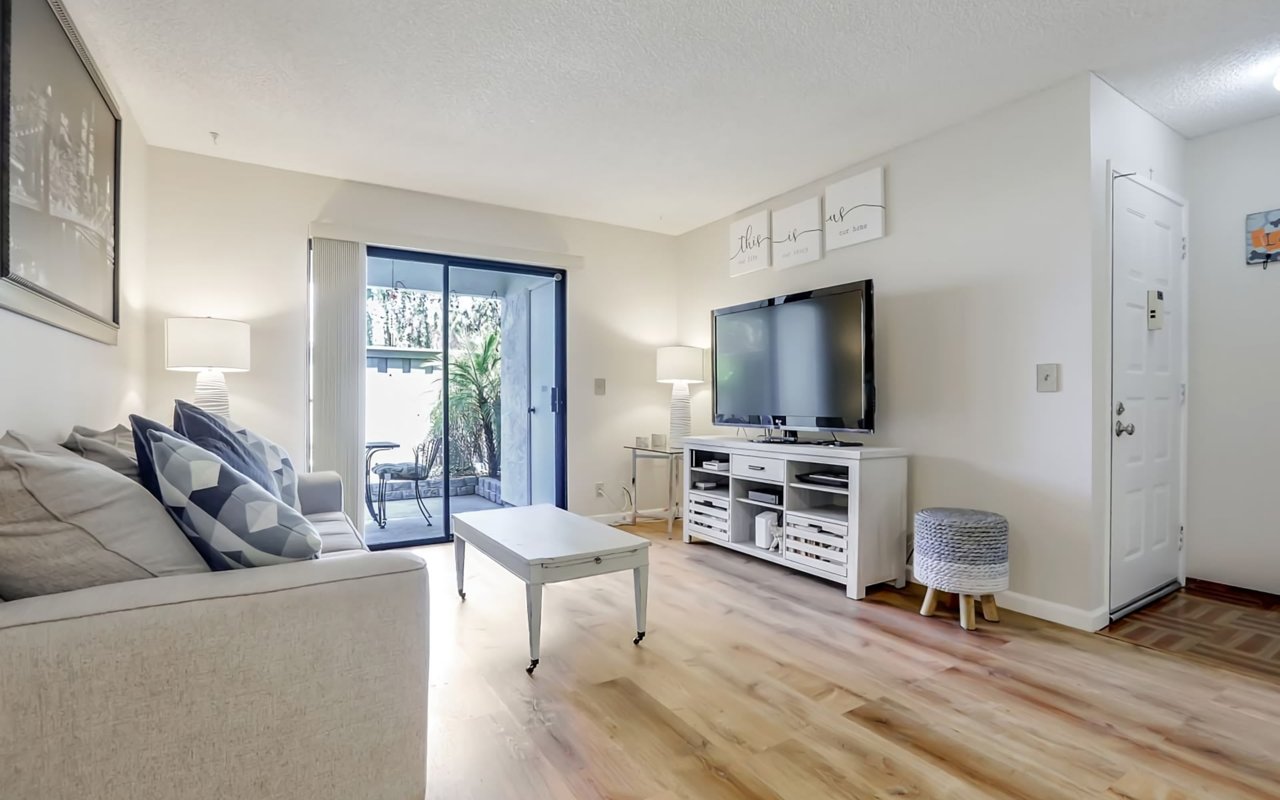
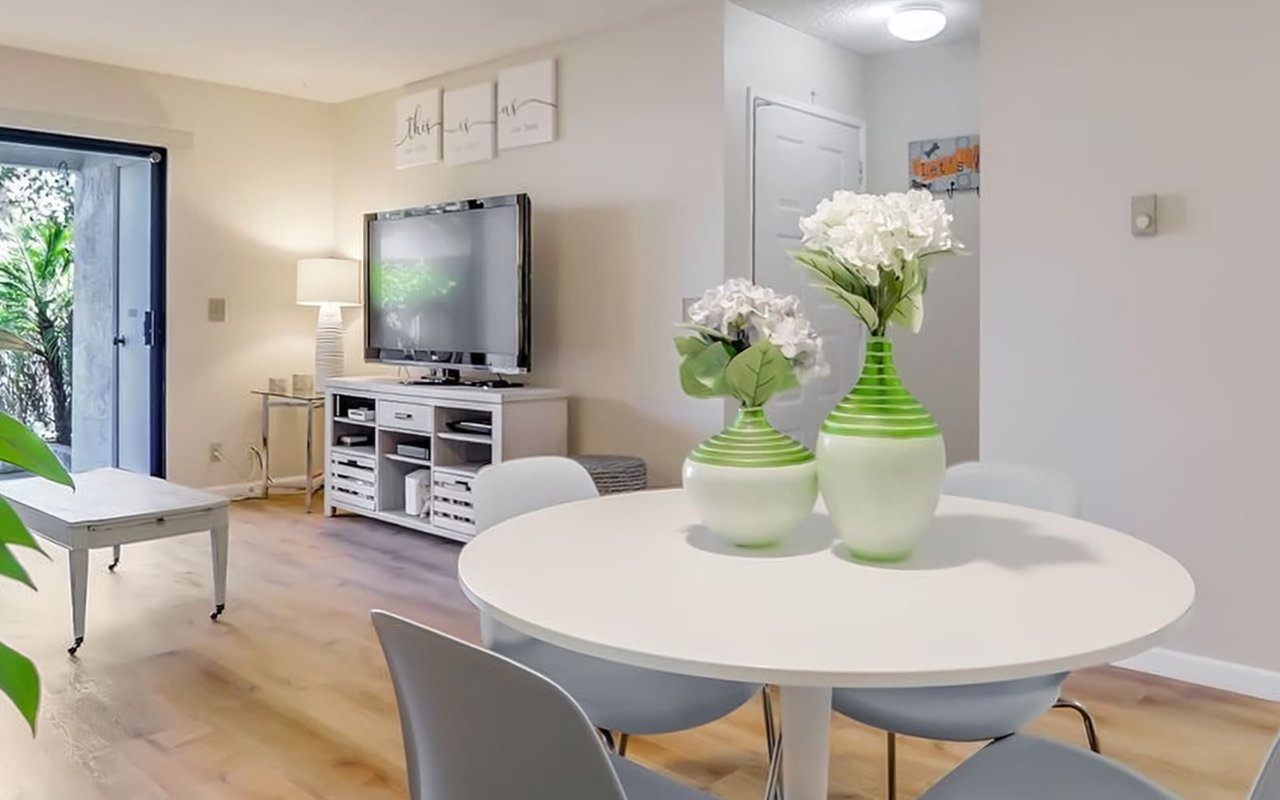
Well‑prepared homes move faster. In this market that usually means:
-
Handling obvious repairs and safety items before listing.
-
Neutral paint, deep clean, and basic staging to help photos pop online.
-
Pre‑listing inspections and complete disclosures so buyers feel confident writing quickly.
Think of it this way: the smoother your house looks on the MLS and in the disclosure package, the easier it is for a serious buyer (and their lender) to say yes in the first two weekends.
3. Choosing the right launch window and strategy
Seasonality still matters. Data for San Jose shows homes listed around late winter and early spring (roughly February–April) often sell faster than those launched deep into the holidays.
You can further tighten your timeline by:
-
Coordinating professional photos, video, and marketing so everything hits at once.
-
Planning open houses and private showings heavily in the first 7–10 days.
-
Setting clear offer expectations (offer review date vs. “as received”) so serious buyers know how to move.
Executed well, that strategy often pulls your “under contract” date into the 1–3 week window that the current stats are showing for A‑grade San Jose listings.
A simple way to estimate your timeline
To get a realistic feel for your own sale timing, you can:
-
Look up recent days‑on‑market for homes most similar to yours (same neighborhood, price band, and condition).
-
Identify whether those fast sales were “A‑homes” (great presentation, strong pricing) or whether they needed cuts.
-
Decide if you’re willing to match what the A‑homes did in pricing and prep.
If your neighborhood’s good listings are going pending in under 3 weeks and you’re prepared to follow that playbook, penciling in 45–60 days from list to close is reasonable in today’s San Jose market. If you know you won’t be able to match that level of condition or pricing, build in more cushion—60–90+ days is not unusual for homes with obvious trade‑offs.
If you’re thinking about selling a home in the San Jose or greater Bay Area, I’d love to help you navigate the process with confidence and clarity.
Written by Omar Ruano, Realtor®
Your trusted advisor in Real Estate.
📞 408-741-9297 | [email protected] | www.RuanoRealEstate.com